


Our first community board
What people want from life should help shape what we teach.
What should a good life make possible?
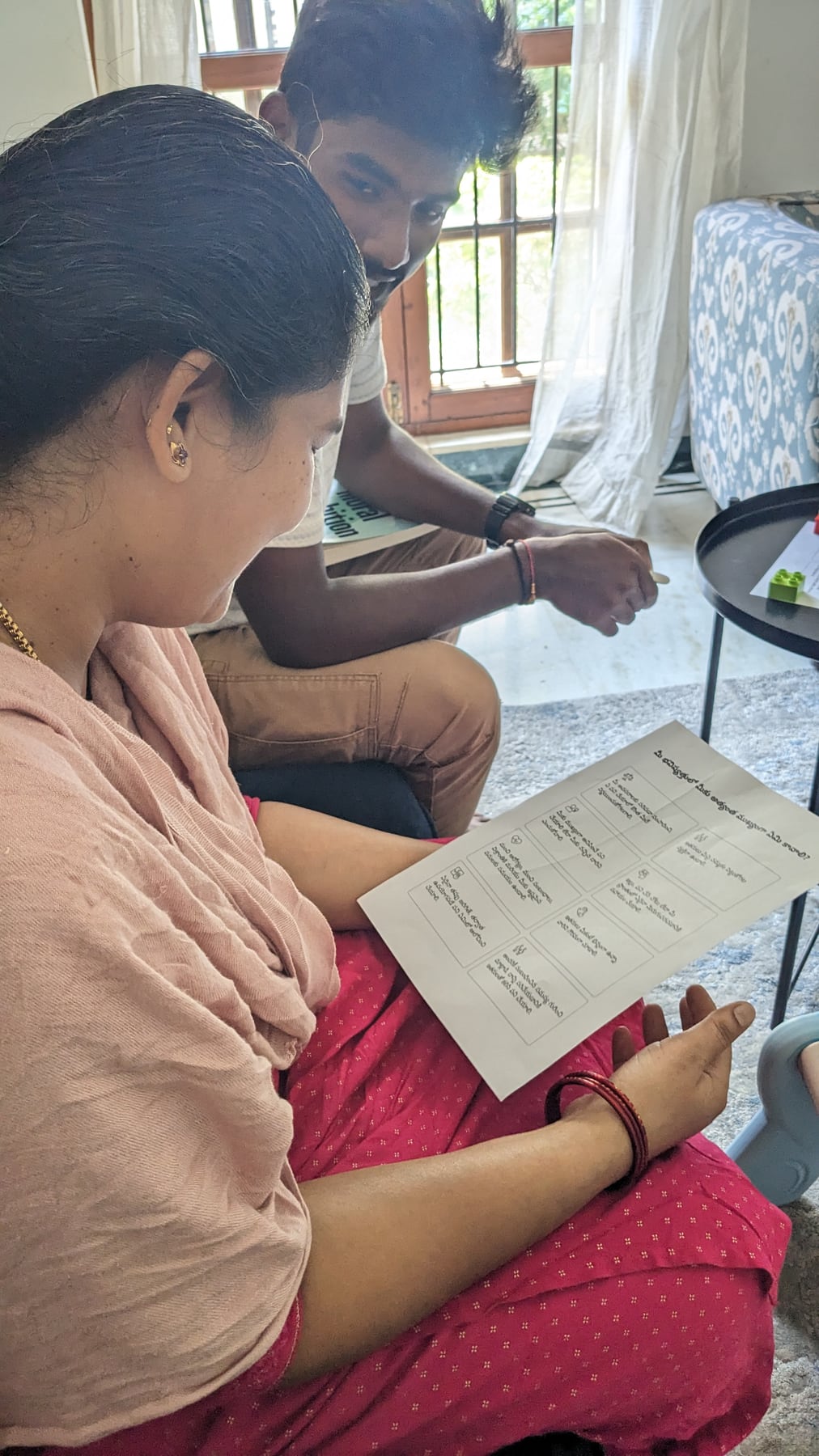
On 8 October 2026, our first community board brought together two parents, a young adult and a TLR team representative. Three joined in person and one over Zoom. We compared TLR’s vision and proposed life outcomes with what mattered in their own lives.
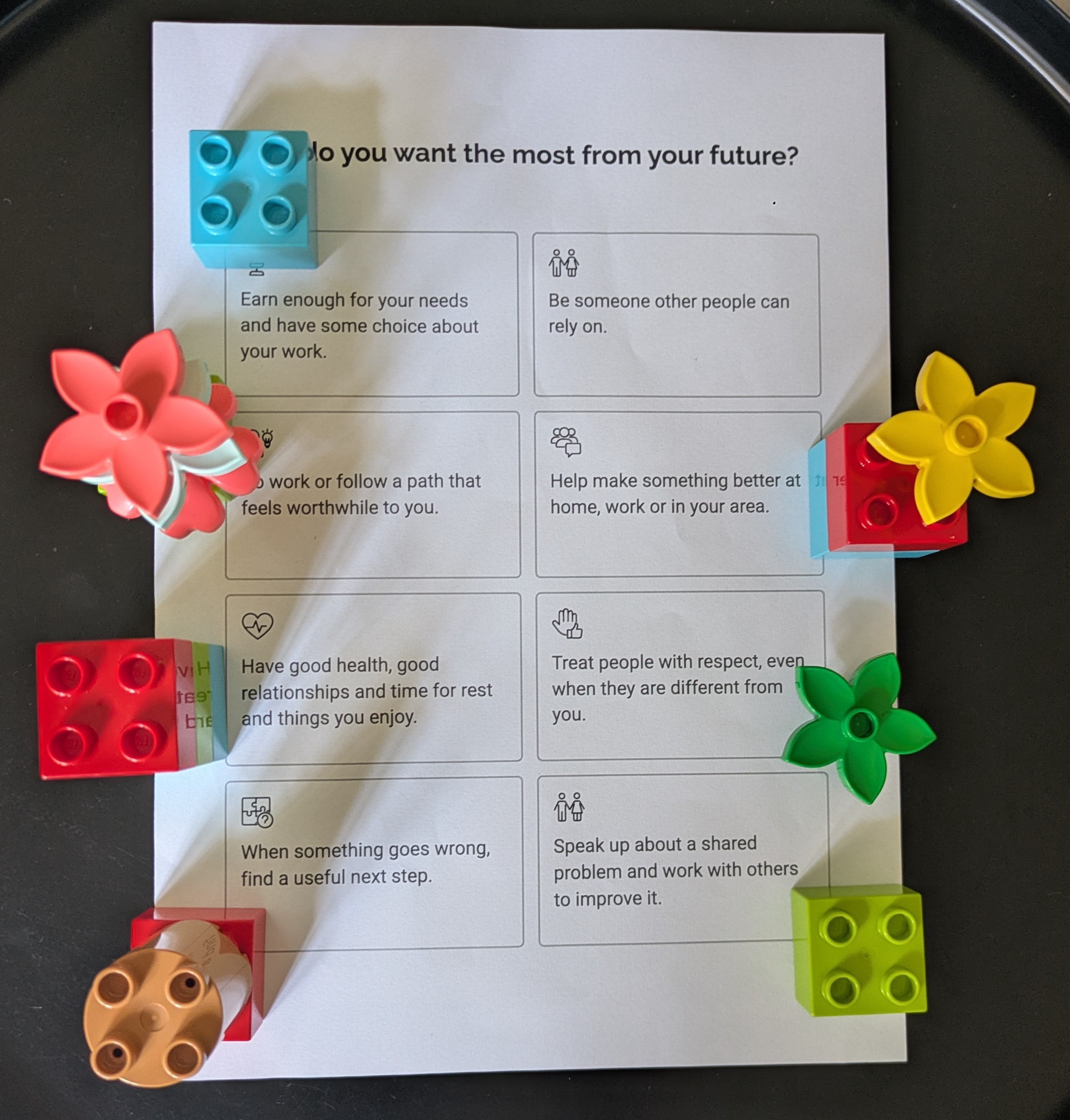
The activity used eight life-outcome cards and coloured counters to explore priorities: worthwhile work, financial security and work choices, health and relationships, resilience, respect, reliability, and contributing to life around us. Longer-term hopes were considered alongside the help people wanted now.
The purpose was to check our ideas against lived experience and make room for different answers. This was a small first conversation; it cannot speak for everyone we hope to work with.
Work matters. So does the life around it.
Finding worthwhile work was an immediate concern. Longer-term hopes also included health, relationships, time for rest and enjoyment, and making life better for others. An urgent need for a job did not mean those other hopes disappeared.
Decision-making had a practical use. One participant wished he had had a tool to help compare two earlier job offers. That gives us a concrete situation to explore when designing learning about choices.
Contribution was already part of people’s lives. Participants described supporting children and older people, and wanting to help grandparents with farming. TLR can build on that care and experience.
Feedback also challenged our language: could we explain “Think Clearly” more concretely, describe financial well-being more thoughtfully, and make the vision easier to remember?
The same questions,
with students.
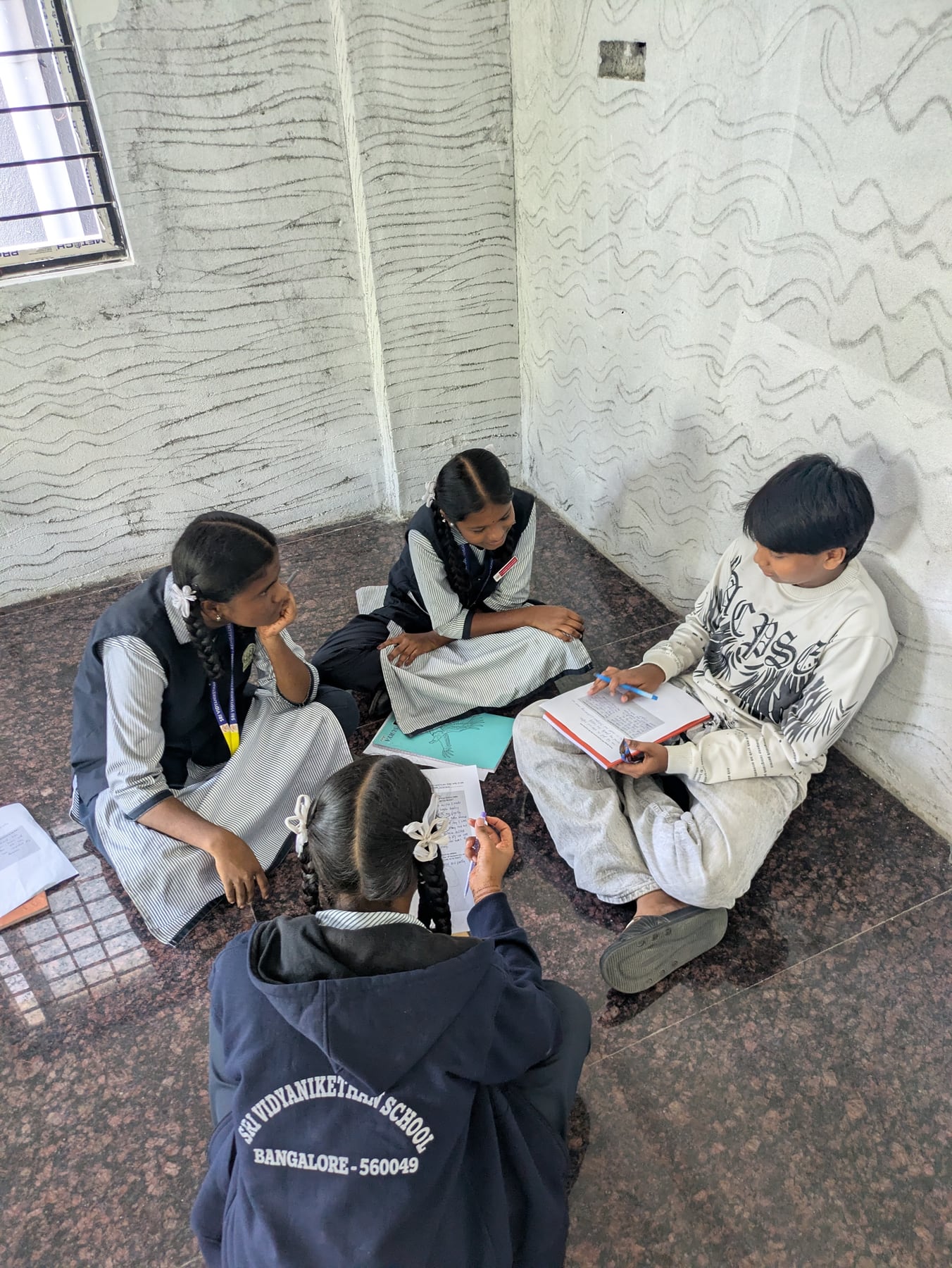
SVS · 30 October 2026We also took the life-outcomes activity to students at SVS. What would a good life look like to them, in their own words?
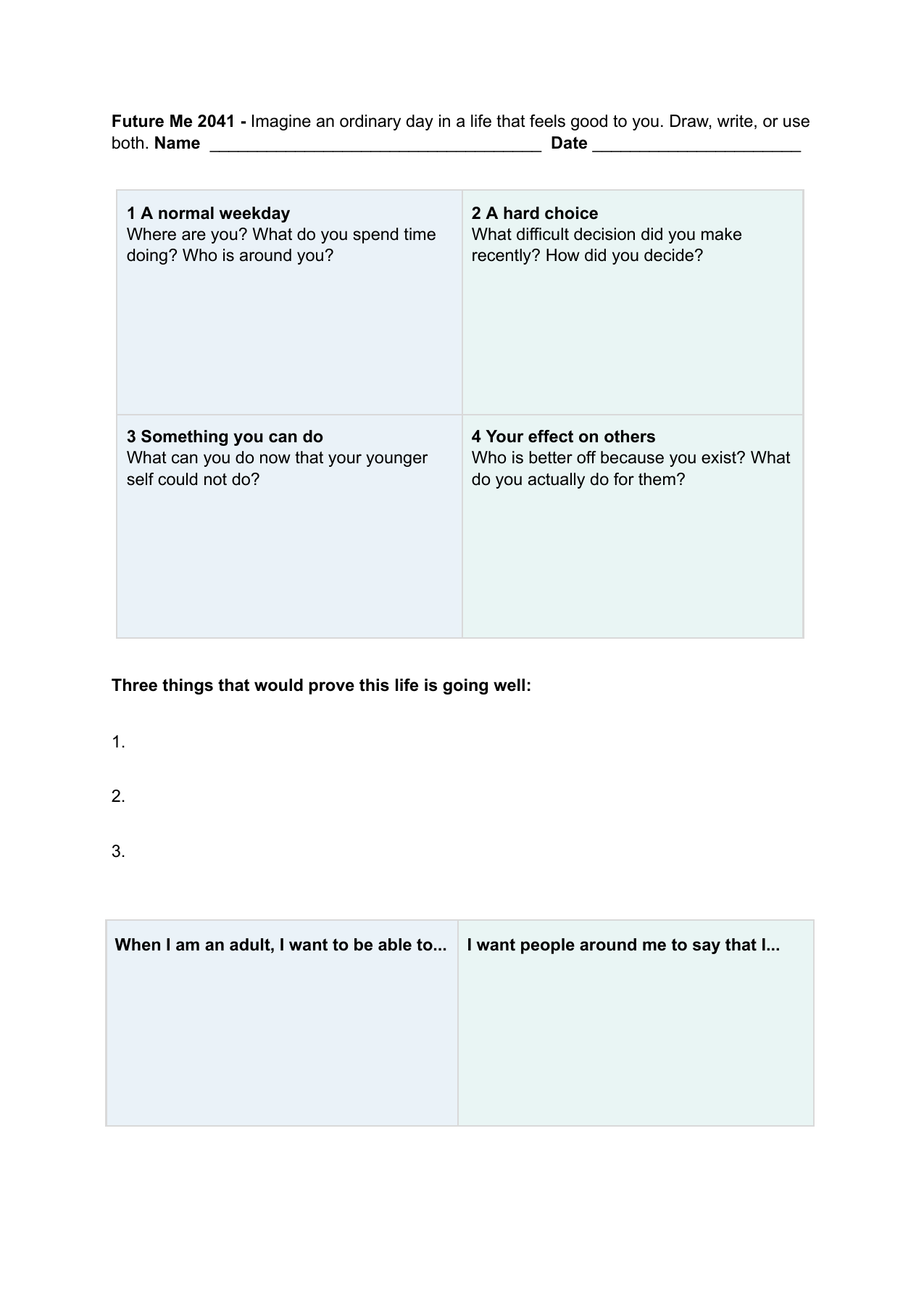
Using the “Future Me 2041” worksheet, students imagined an ordinary day in that future: what they would do, the choices they would make, what they could do, and their effect on other people.
A future they can describe.
The sheet leaves room to draw, write, or use both. It asks students to make the idea of a good life concrete, through four prompts:
- A normal weekdayWhere are you? What do you spend time doing? Who is around you?
- A hard choiceWhat difficult decision did you make recently? How did you decide?
- Something you can doWhat can you do now that your younger self could not do?
- Your effect on othersWho is better off because you exist? What do you actually do for them?
It closes with three signs that life is going well, what they want to be able to do as adults, and what they hope people around them will say about them.