


Two questions sit at the heart of TLR.
- Will students remember and use these thinking tools when they need them?
- How does their learning translate into a better life for the people around them?
Road Sense was our student-led community project exploring that connection. We explored why people break road rules, how individual choices affect everyone, and what students could do about it.
Why do sensible people make unsafe choices on the road?
Road Sense was our first serious attempt to take TLR out of the classroom.
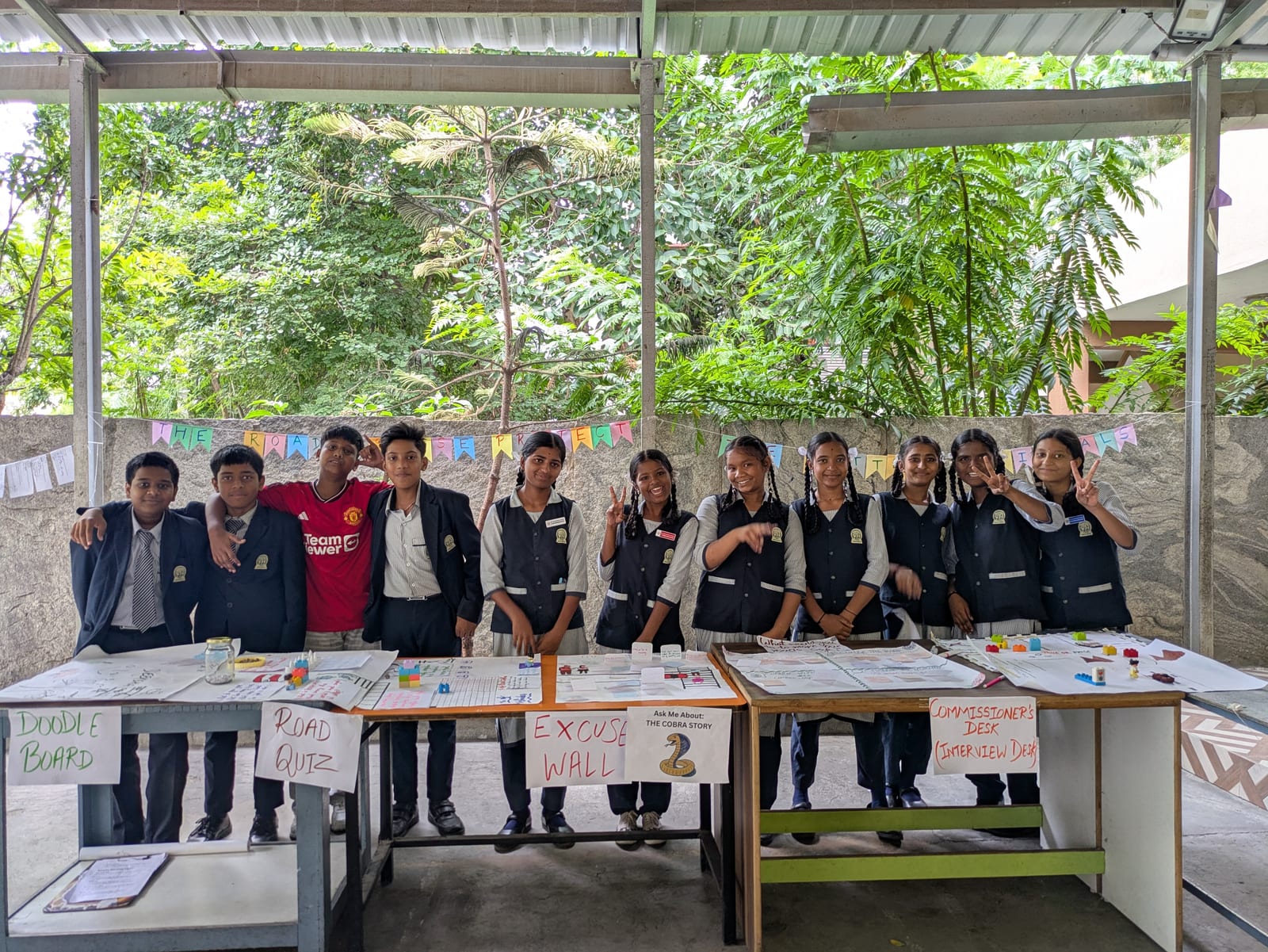
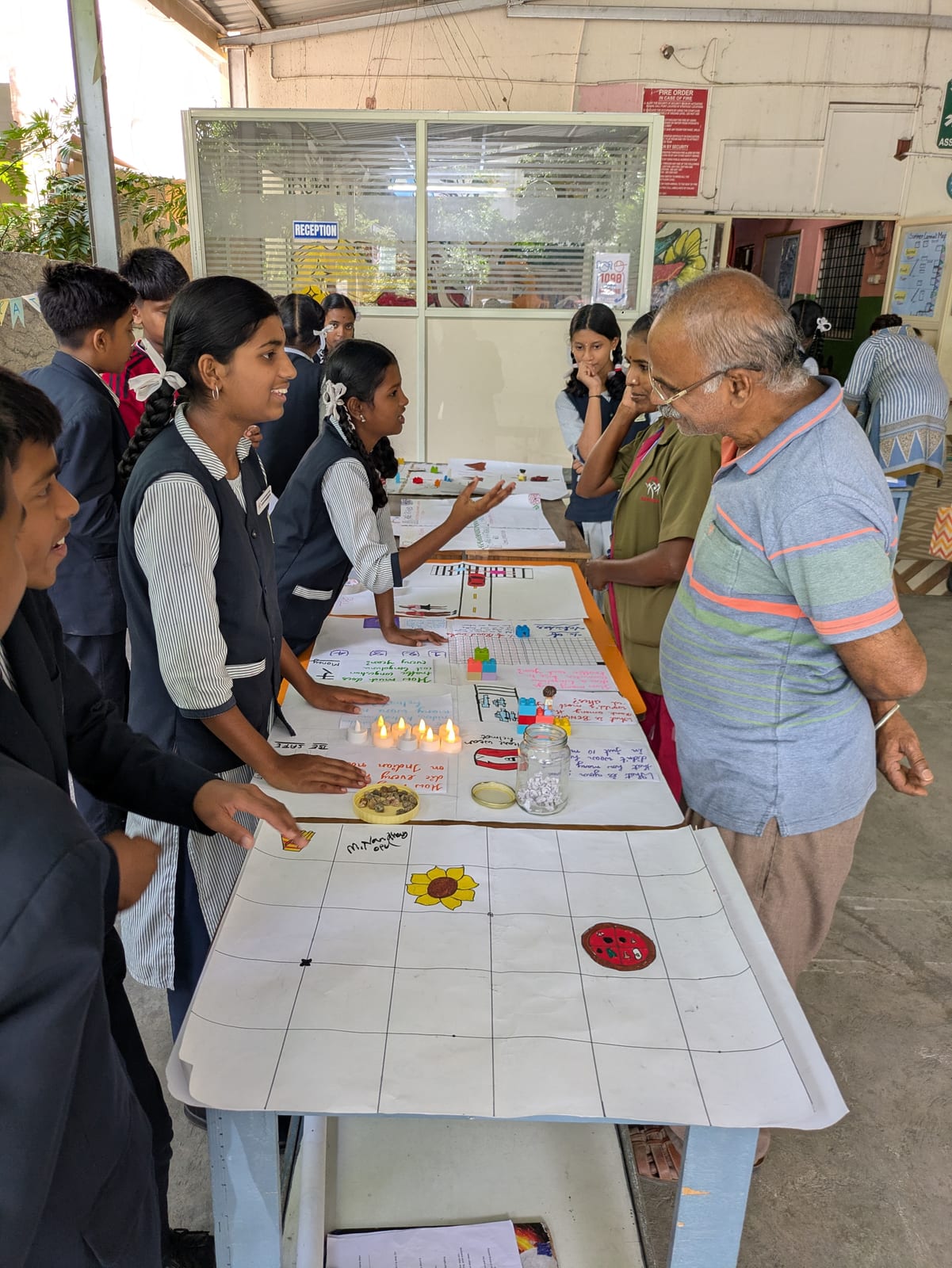
As a study in how we share the road, we worked with 12 Grade 8 students in Bengaluru. They stood at a real junction and counted traffic violations, interviewed people on why rules get broken, studied actual road rules and data, and used ideas like game theory and second-order thinking to make sense of what they found.
Then they turned it all into a hands-on showcase for parents, teachers and other students.
12
08
Out on the road.
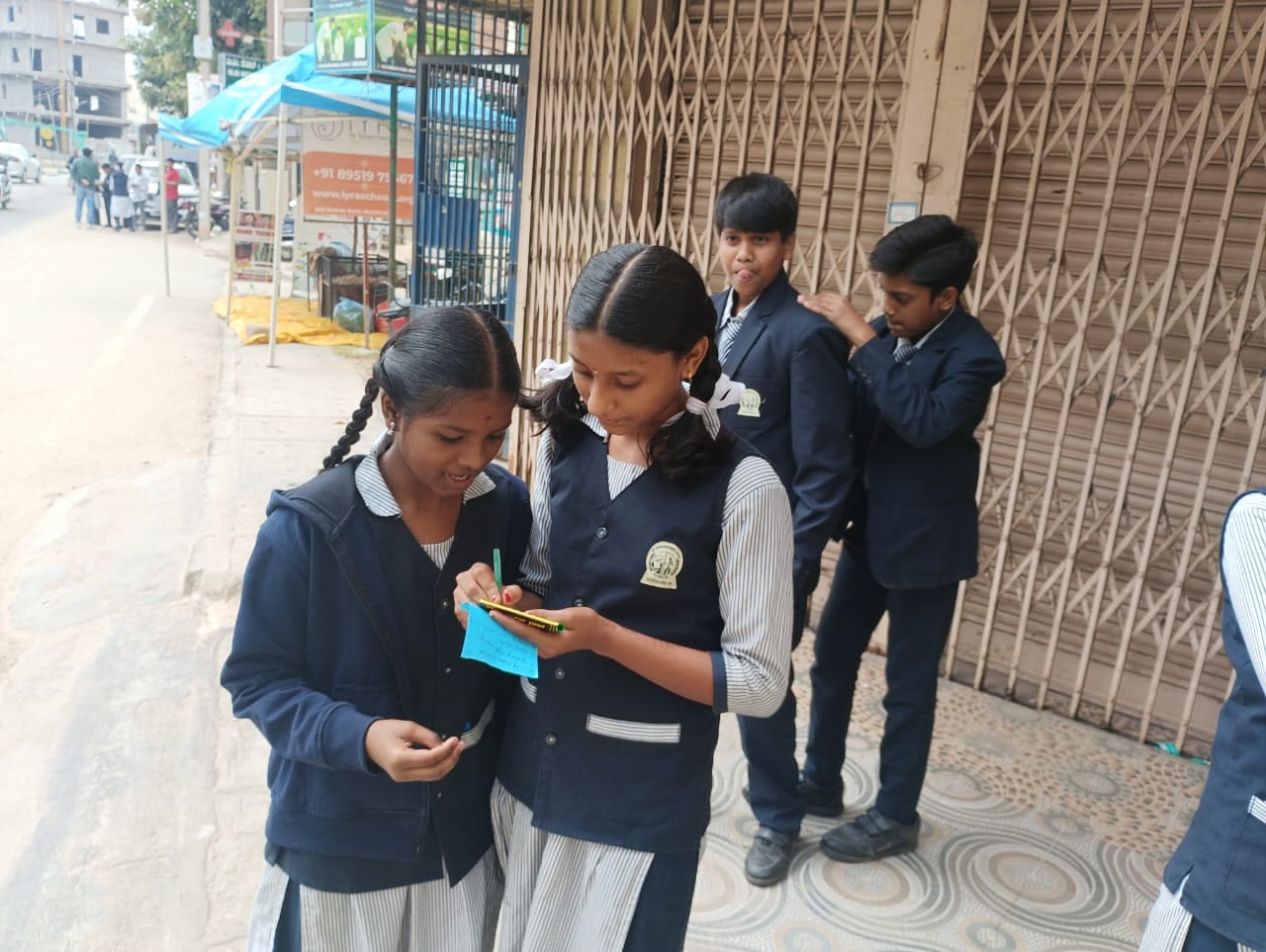
Students went to a street corner and counted traffic infractions for ten minutes: no helmets, wrong-side driving, triple riding, phone while riding, etc.
Then they interviewed shopkeepers and people on the street and asked them two questions: why do people break rules and what can be done to stop them?
Interviews at Home: They took the same two questions to their own families and neighbors, and recorded the answers.
Why do these choices matter?
Two facts:
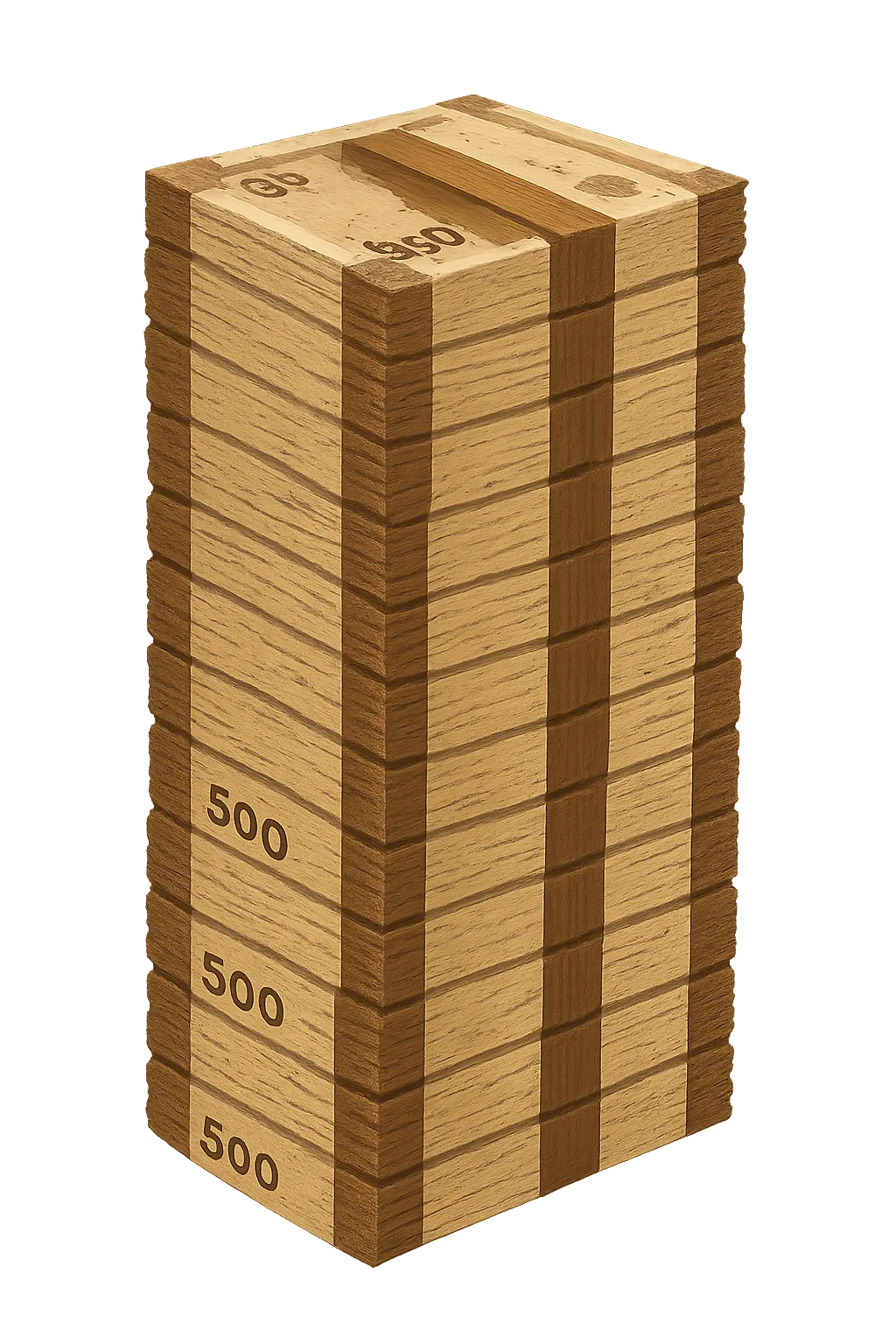
- How much is ₹20,000 crore? If you stack ₹500 notes, one on top of the other, and go up to four and a half times the height of Mount Everest - that's how much. That is roughly what Bengaluru loses to traffic congestion every year.
- India has 1% of world's vehicles, but 11% of world's road deaths.
In classroom, students explored data on traffic congestion, road crashes and deaths. We used questions, comparisons and visual examples to make large numbers tangible.
The purpose was to connect everyday road habits with their human and economic consequences, giving students the “why” behind the project.
The tools behind the questions.
Students explored three mental models:
- Game theory: how our choices depend on what other people do.
- Second-order thinking: what happens after the immediate result.
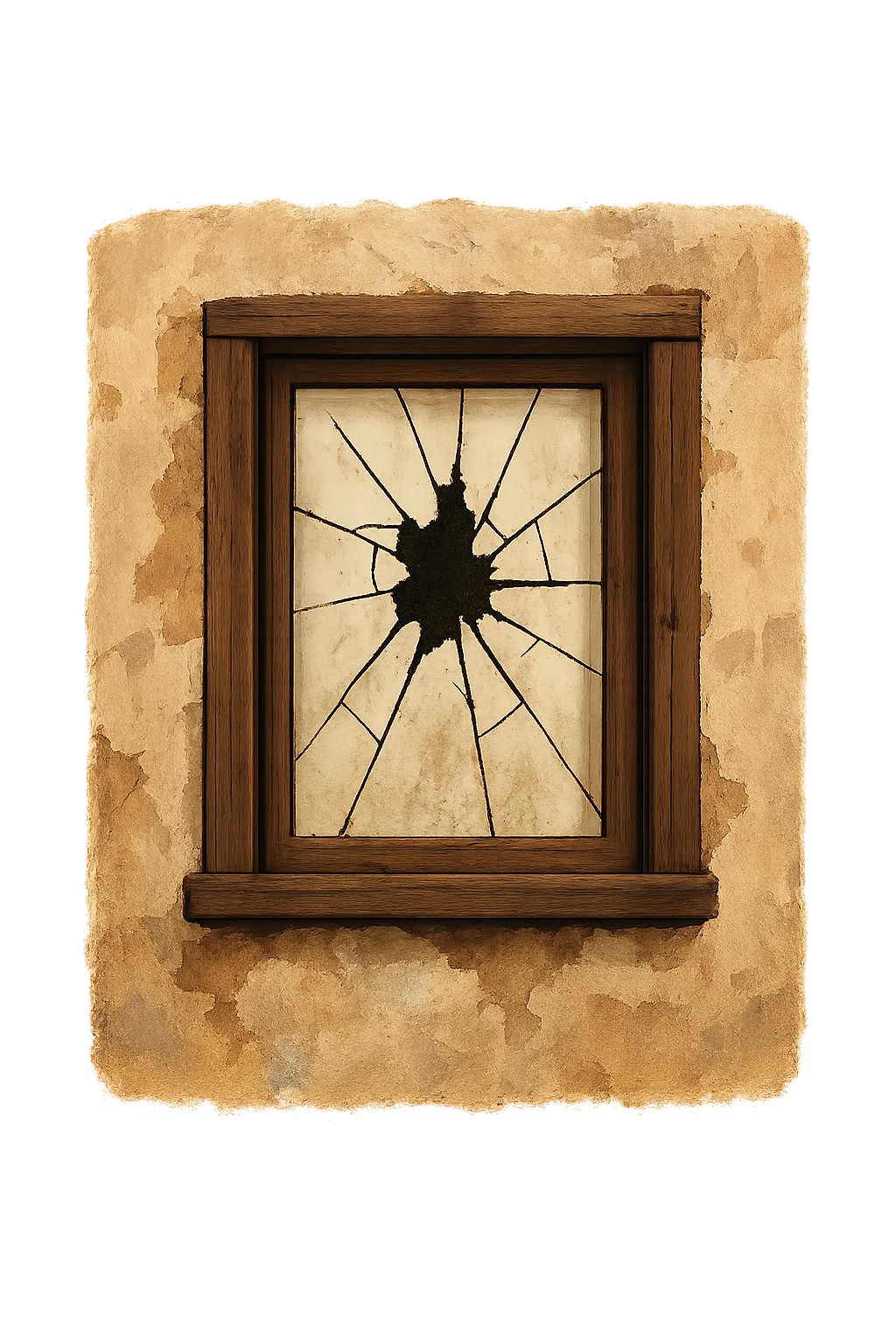
- Broken Windows Theory: how visible rule-breaking might influence what others accept as normal.
Could a new flyover attract more traffic? What happens when everyone takes the same shortcut? The models helped students examine how individually tempting choices can create collectively harmful outcomes.
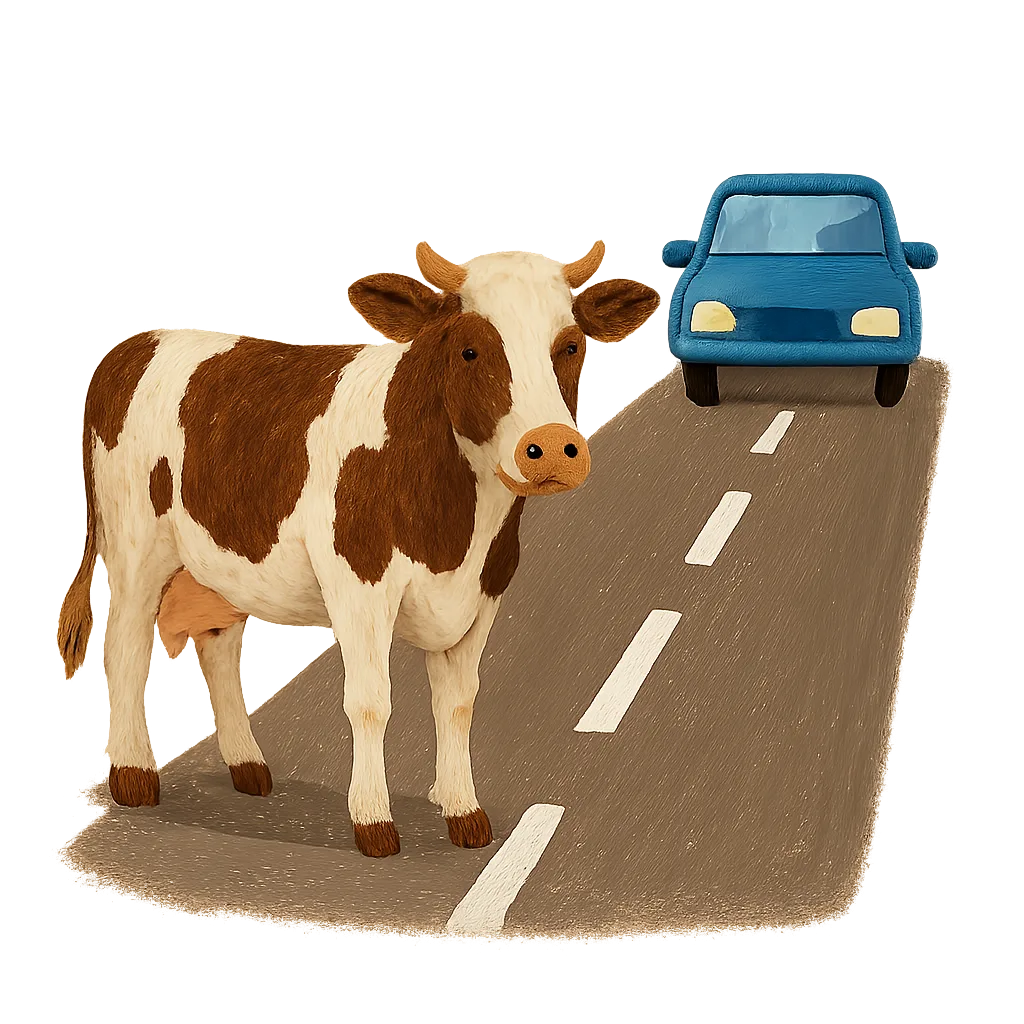
Rules of the road.
What should you do when a cow is standing across the road? It’s an actual question from the official driving-license question bank.
Students explored 20 such rules and we ended with defensive driving, connecting knowledge of the rules with anticipating what could go wrong and acting with care.
The audience became part of the experiment.
Parents, teachers and students joined us on a Friday morning. Students took them through the project across six different stations. Visitors contributed their own excuses, solutions and commitments, and participated in game-theory activities.
Who could you help change?
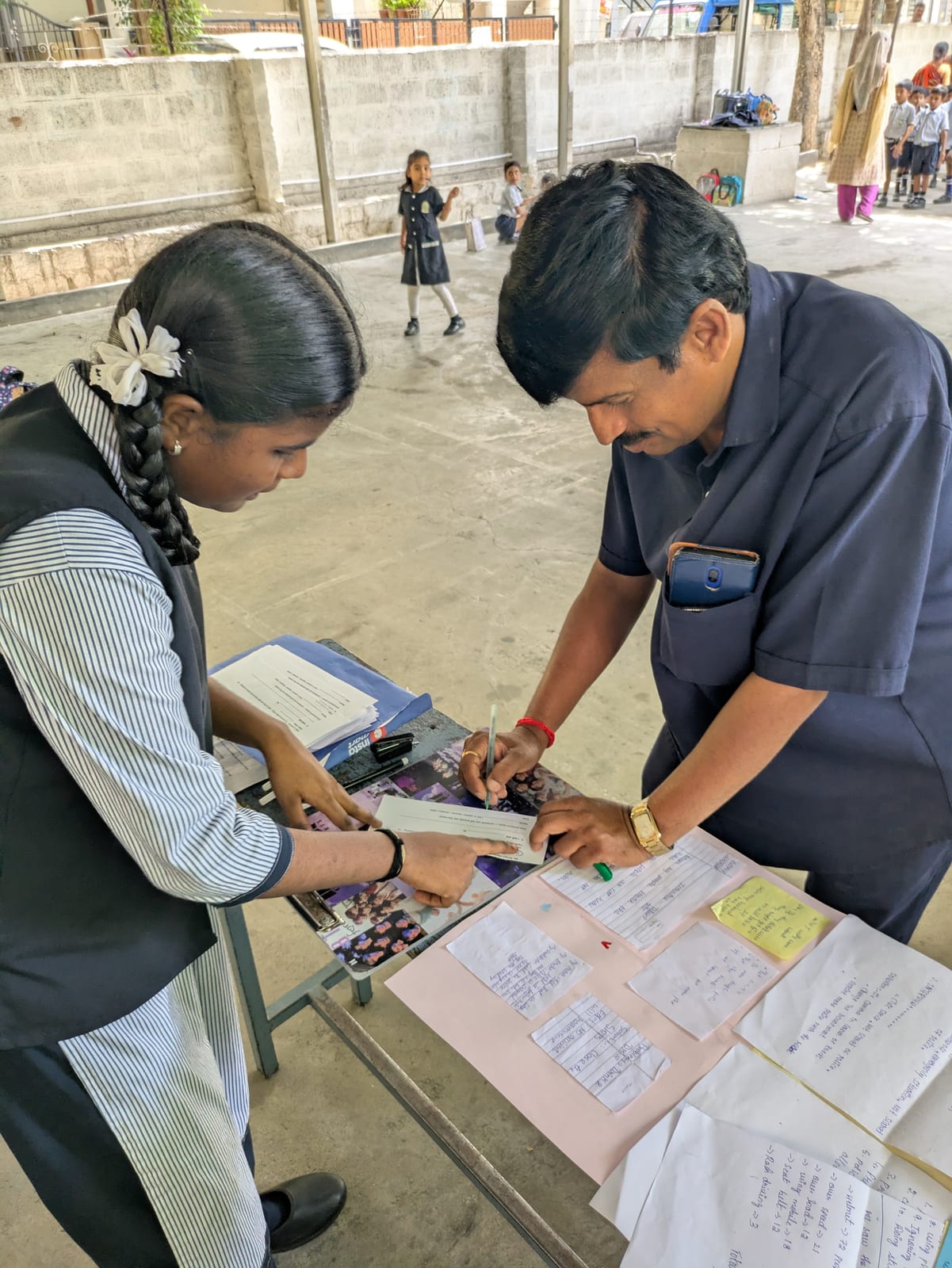
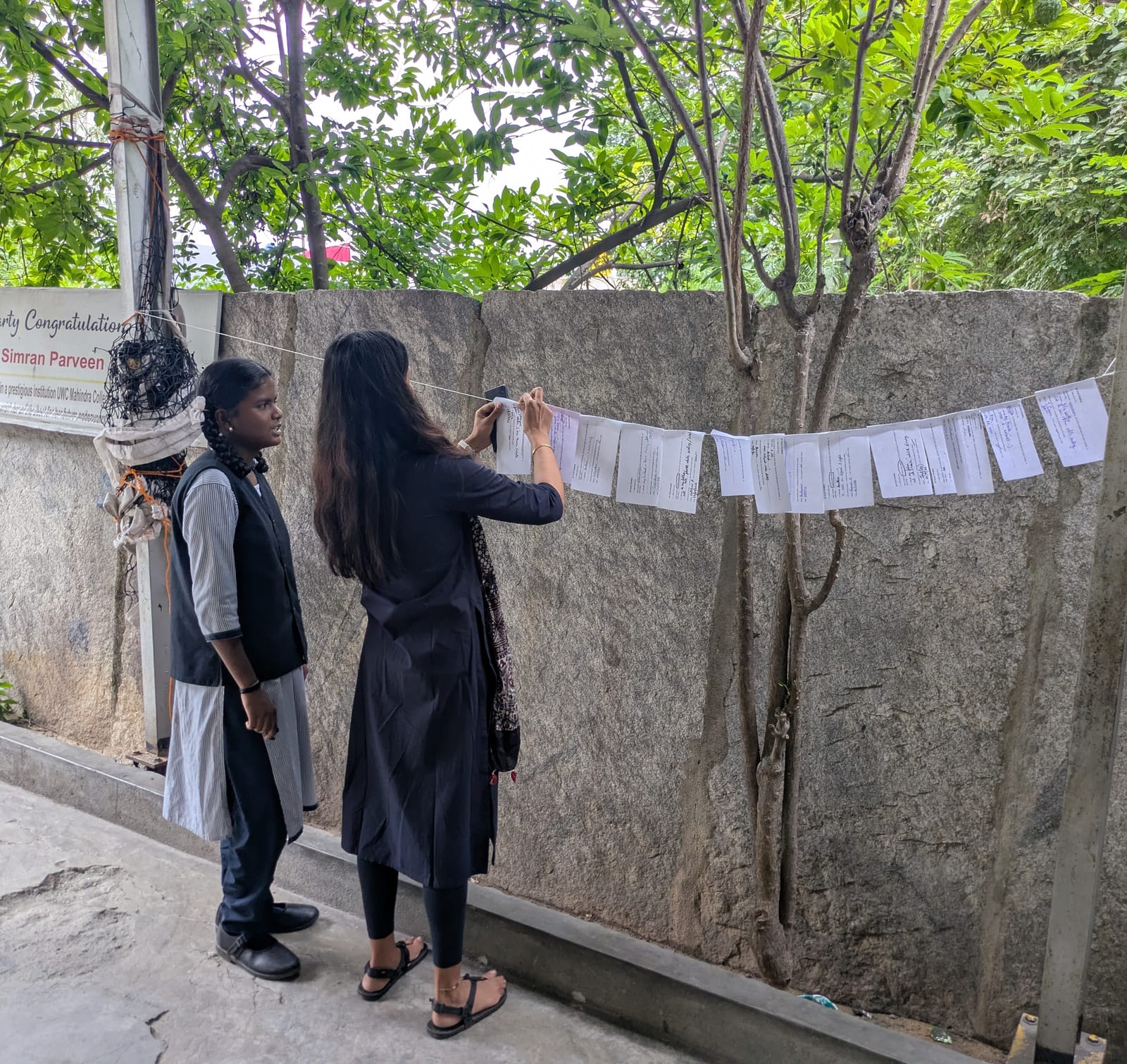
Every student and visitor was asked to choose someone with a rule-breaking habit and try to influence that habit over the following four weeks.
They wrote their commitments on paper and added them to the Ripple Line.
The challenge was to explain their case using the data, interviews, mental models and rules they had explored.
Different problem. Same thinking.
Road Sense explored a repeatable approach:
- A real civic problem.
- Field data collected by students.
- Named thinking tools.
- A public explanation of their reasoning.
- A behaviour pledge.
- A delayed check.
Could the same approach work with waste segregation, water use, queues or public etiquette?
We want to understand whether students can recognise similar patterns of incentives and cooperation in a different context.